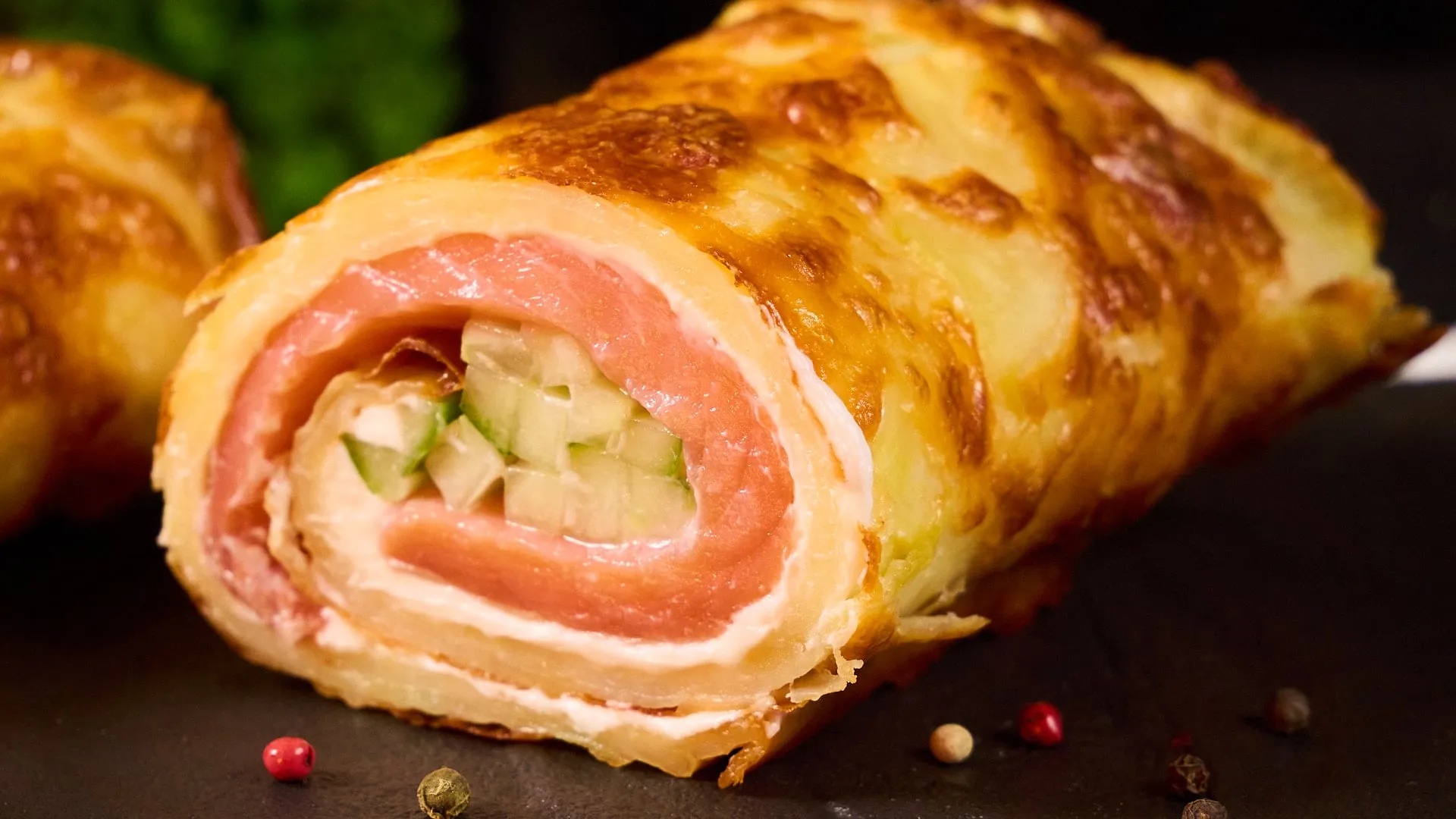
Pasta alla Norma is Sicily’s classic eggplant pasta, ready in about 45 minutes: simmer a tomato sugo over a soffritto with basil stems, sieve it smooth, fry salted eggplant sticks until golden and glaze them with honey and vinegar, then toss rigatoni with the sauce and a Parmesan–pasta-water cream. Serves 2.
Instructions
- 1
Crush the garlic and finely chop the onion — together they make the soffritto, the quiet base that makes the tomato sauce taste cooked, not raw.
- 2
Heat olive oil in a pan over low heat and add the onion and garlic. Keep it low and steady — you want a sweet aroma with no bitter brown edges.
- 3
Drop in a basil stem to perfume the oil (save the leaves for serving), then lift it out.
- 4
Add about 3 whole marinated tomatoes with a little of their marinade, then a couple of generous spoonfuls of tomato purée for body.
- 5
Season with salt and the chili flakes. Crush the tomatoes as they cook and simmer for about 10 minutes, until the sauce reduces into a deep, thick sugo.
10:00 - 6
Put the pasta water (1 L) on to boil.
- 7
While it heats, pass the sauce through a sieve, pressing it through with a silicone spatula or spoon. It takes a minute — this restaurant-style move is what turns a humble tomato base silky-smooth.
- 8
Cut the eggplant into sticks so it browns well but still feels meaty. Salt generously and rest for 10–15 minutes — it loses moisture, so it browns instead of turning into an oil sponge.
12:00 - 9
Fry the eggplant in olive oil for about 10 minutes, until the edges turn golden.
10:00 - 10
Stir the honey and vinegar together, pour the glaze over the hot eggplant, and toss for about 30 seconds until every piece is glossy and coated.
- 11
Salt the boiling water using the Italian 1–10–100 rule — 10 g of salt and 1 L of water per 100 g of pasta — and cook the rigatoni until al dente.
10:00 - 12
Move the drained pasta into a hot pan and pour in the sieved tomato sauce; toss to coat.
- 13
Mix the grated Parmesan with 3 tbsp of boiling pasta water until creamy — the starchy “liquid gold” lets it melt evenly instead of clumping. Fold it into the pasta with a final splash of olive oil and toss until glossy.
- 14
Plate the pasta and arrange the glazed eggplant back on top, visible and separate from the sauce. Finish with the reserved fresh basil leaves.
Watch the video
Notes from our kitchen
We keep the soffritto over low heat until the kitchen smells sweet, with no brown edges on the onion; that gentleness carries through the whole sauce. Sieving the sugo takes a minute of pressing with a spatula, but it is what turns crushed jarred tomatoes silky. For the eggplant, we watch for golden edges at about 10 minutes, then pour on the honey and vinegar glaze while the pan is still hot.
The step not to rush is the salting. Skip the 10–15 minute rest and the sticks soak up olive oil instead of browning. Mix the Parmesan with boiling pasta water before it touches the pasta, or it clumps instead of melting into a cream.
Variations
- Ricotta salata finish. Grate ricotta salata over the plated pasta instead of making the Parmesan cream. It is the traditional Sicilian finish, and its salty firmness works well against the sweet-and-sour eggplant.
- Swap the pasta shape. Rigatoni holds the sieved sauce in its ridges, but spaghetti works just as well here. Whichever shape you choose, keep the 1–10–100 salting rule the same.
- Canned tomato swap. No marinated tomatoes on hand? Canned peeled tomatoes in juice work; add a small splash of vinegar to stand in for the marinade’s tang and simmer a few minutes longer to thicken.
- Make the sugo ahead. The sieved tomato sugo keeps well in the fridge for 2–3 days, so make it ahead. Fry and glaze the eggplant just before serving; it loses its golden edges once stored.
Frequently Asked Questions
Why do you salt the eggplant before frying?
Salting the eggplant sticks for 10–15 minutes draws out excess moisture, so they brown in the pan instead of soaking up oil like a sponge. You get crisp, golden, meaty edges from about 10 minutes of frying — not a soggy, greasy bite.
What does the honey and vinegar glaze do to the eggplant?
Whisking 30 g of honey with a tablespoon of vinegar makes a quick agrodolce — Sicily’s classic sweet-and-sour finish. Tossed with the hot fried eggplant for just 30 seconds, it caramelizes into a glossy coat that plays against the rich tomato sugo.
Why is it called Pasta alla Norma?
The dish comes from Catania, Sicily, and legend says it was named after Vincenzo Bellini’s opera “Norma” — one taste and locals declared it a masterpiece worthy of the name. It began as cheap home cooking; today restaurants charge €40 for the same plate.
How much salt should pasta water have?
Italians use the 1–10–100 rule: 10 g of salt and 1 L of water for every 100 g of pasta. For this recipe’s 100 g of rigatoni, that means exactly 1 L of water and 10 g of salt — enough room for the pasta to move, and water that seasons it from within.
Can I use ricotta salata instead of Parmesan?
Yes — salty, firm ricotta salata is the traditional Sicilian topping for Pasta alla Norma. This version instead whisks 50 g of Parmesan with hot pasta water into a cream that coats every piece of rigatoni; use whichever finish you prefer.