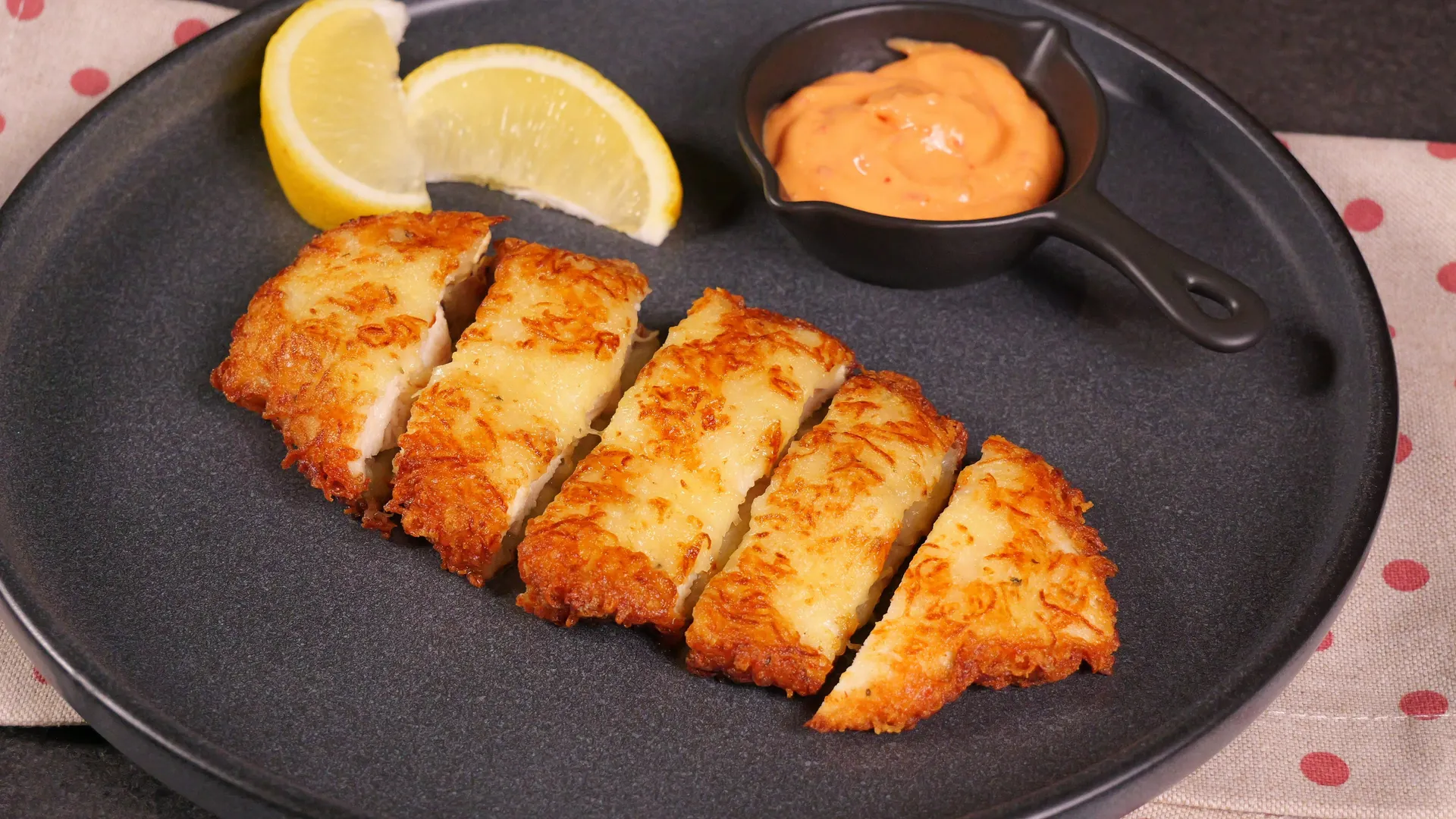
Never eat dry chicken again: this Japanese low-temperature method keeps chicken breast tender and juicy every time. Trim the tendons, cure a 300 g breast with 3 g salt and 1.5 g sugar for 15 minutes, then poach in just-off-the-boil water (80–85 °C / 175–185 °F) for 23–25 minutes until the center hits 74 °C / 165 °F. Finish with a 1-minute butter sear for colour. Serves 2.
Instructions
- 1
Slip a knife tip under each firm white tendon and lift it out — tendons left in make the fillet curl and dry out unevenly.
- 2
Flip the knife over and tap the spine across the whole fillet in short, firm strikes to loosen the fibres.
- 3
Poke the surface all over with a fork to stop it curling and keep it tender.
- 4
Rinse in warm water (50 °C / 120 °F) for 1–2 minutes to lift off the smell without cooking, then pat completely dry.
- 5
In a resealable bag, rub the fillet with 3 g salt and 1.5 g sugar, then rest 10–20 minutes so it holds moisture.
15:00 - 6
Bring a pot of water to the boil, turn off the heat and wait 30 seconds — it settles to 80–85 °C / 175–185 °F.
- 7
Squeeze the air from the bag, submerge it and leave 23–25 minutes. (No bag? Drop the fillet straight in.)
25:00 - 8
Check the centre reads at least 74 °C / 165 °F; if not, return the water to 80 °C (176°F) for a few more minutes.
- 9
Sear in butter over medium heat, about 1 minute per side, for colour and a little crunch.
02:00 - 10
Optional: tilt the pan and spoon the foaming butter over the fillet for a few seconds to add flavour.
- 11
Rest, then slice — the centre should be evenly cooked and juicy.
Watch the video

Notes from our kitchen
Low and slow is the whole trick here. We turn off the heat and count a full 30 seconds before the bag goes in; that pause settles the water to 80–85°C (175–185°F), warm enough to cook the fillet through but never hot enough to make the fibres seize. The cue we watch for is a thermometer reading of 74°C (165°F) at the thickest point before the butter goes anywhere near the pan.
Rushing that 30-second wait is what ruins this method. Drop the chicken into water still at a rolling boil and the outside turns stringy before the centre catches up. Squeeze the air out of the bag too, or it floats and cooks one-sided.
Variations
- Dairy-free finish. Swap the butter for a spoonful of neutral oil at the sear stage, or skip the sear entirely; the poached fillet is fully cooked and slices well over rice or a salad.
- Scaling up for a bigger fillet. Keep the cure at 1% salt and 0.5% sugar of the meat’s weight, use a large pot so the water holds its heat, and allow a few extra minutes before checking for 74°C (165°F).
- Make it ahead. Cool the poached breast in its bag and refrigerate for up to 3 days. Slice it cold for sandwiches and salads, or give it the quick butter sear just before serving.
Frequently Asked Questions
Why does my chicken breast always turn out dry?
High heat seals the surface before the centre cooks, and a rolling boil makes the proteins clench and squeeze the moisture out. The fix is gentle low-temperature poaching at 80–85 °C (175–185 °F), which cooks the breast all the way through without ever tightening the fibres.
What internal temperature should poached chicken breast reach?
Cook until the centre reaches at least 74 °C (165 °F) — the food-safe minimum for poultry. Poach in just-off-the-boil water (80–85 °C) for 23–25 minutes, then check with a thermometer. If it’s still under, return the water to 80 °C for a few more minutes.
Why add sugar as well as salt to the chicken?
For 300 g of chicken, use 3 g salt and 1.5 g sugar (1% salt, 0.5% sugar). Salt loosens the proteins so they hold on to water, while sugar draws moisture into the meat and locks it there. Together they keep the breast noticeably more tender and juicy.
Related Recipes
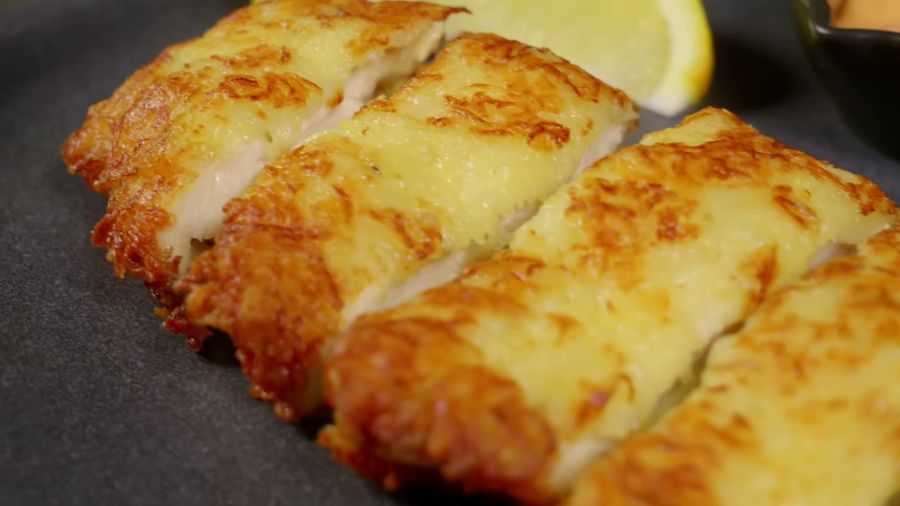
Hash Brown Chicken Schnitzel
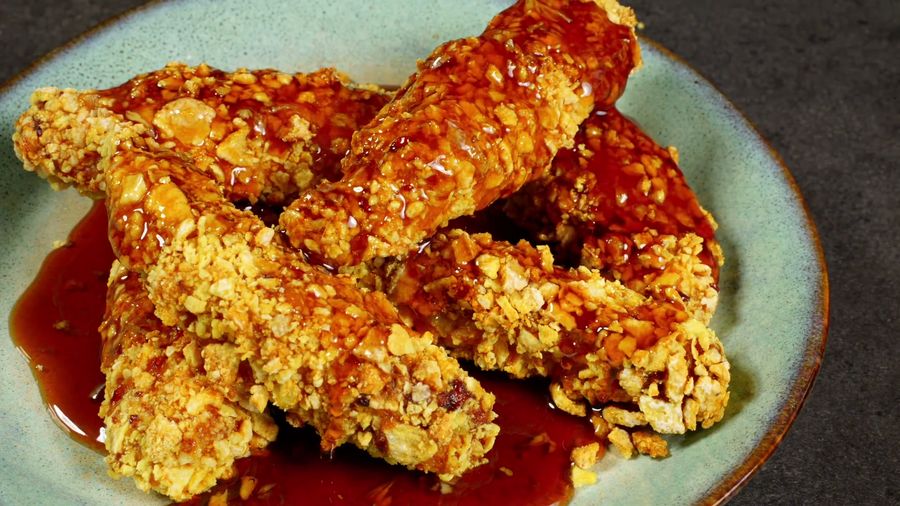
Hot Honey Chicken Tenders
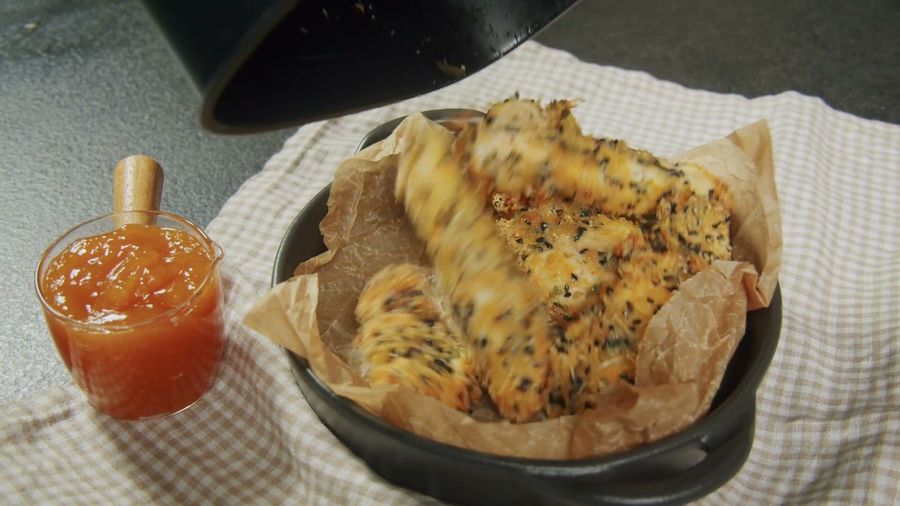
Super Crispy Chicken Tenders
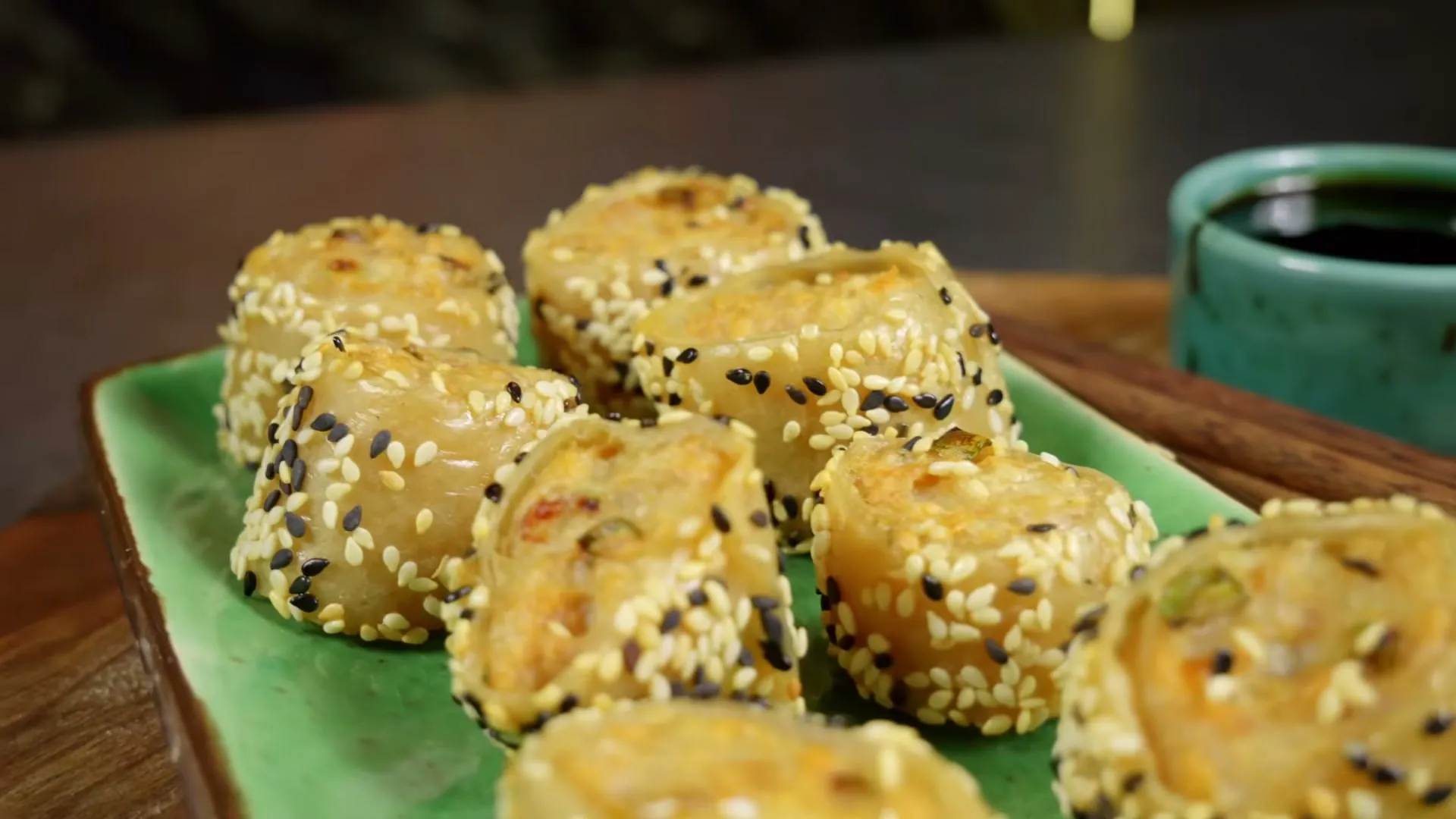
Air Fryer Chicken Rice Paper Dumplings
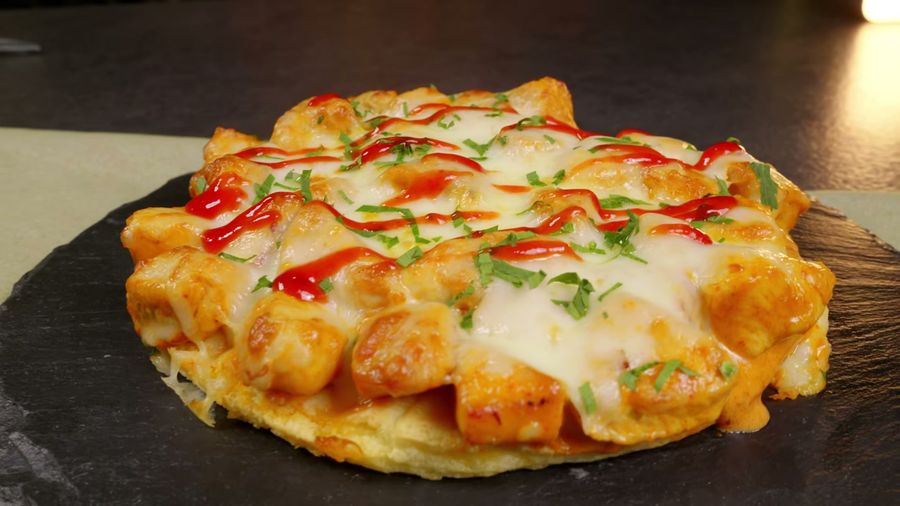
Rice Crust Pizza with Buffalo Chicken Topping